




Blue zone-inspired dishes for wellness and longevity
Did you know that some of the world’s healthiest and longest-living people don’t follow strict diets or chase trendy superfoods, but instead eat simple, satisfying meals built around beans, vegetables, herbs, healthy fats and other whole foods?
That’s the foundation of what is called the blue zone lifestyle, inspired by regions around the world where people regularly live into their 90s and 100s with lower rates of heart disease, diabetes and other chronic illnesses.
In 2004, a pioneering demographic study by Gianni Pes, MD, PhD and Michel Poulain marked Sardinia’s long-lived mountainous villages with blue circles on a map. Intrigued by their work, journalist Dan Buettner approached National Geographic with the idea to research longevity hotspots around the globe, calling them “blue zones”. These hotspots include Okinawa (Japan), Sardinia (Italy), Nicoya Peninsula (Costa Rica), Ikaria (Greece) and Loma Linda (California).
“The best part about blue zone eating is that it doesn’t feel restrictive or complicated,” says Katie Rankell, a registered dietitian and program director of the UCI Health Weight Management Program. “These meals are deeply flavorful, nutrient-dense and designed to leave you feeling energized and satisfied.”
This month, Jessica VanRoo, executive chef of the Susan Samueli Integrative Health Institute, part of UCI Health, gathered nourishing ingredients found in traditional blue zone kitchens to demonstrate that healthy eating is both accessible and genuinely delicious.
Okinawan sweet potatoes with miso-edamame smash
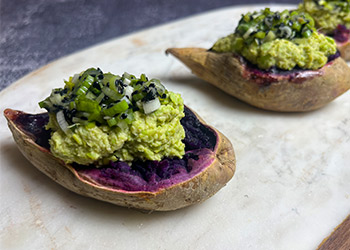
Purple sweet potatoes are one of the most iconic foods associated with a traditional Okinawan diet.
"These nutrient-dense tubers are rich in fiber, complex carbohydrates, vitamin C and potassium," says Rankell. "They also supply anthocyanins, powerful antioxidant compounds that give sweet potatoes their vibrant color and help protect cells from oxidative stress and inflammation."
Edamame — young, green soybeans — add plant-based protein, fiber, folate and heart-healthy nutrients that support muscle maintenance and digestive health, as well as stabilize blood sugar levels.
White miso, a fermented soybean paste, contributes beneficial probiotics and umami flavor while supporting gut health. Tahini provides healthy fats, calcium, magnesium and sesame-derived antioxidants linked to cardiovascular wellness and rice vinegar is thought to help digestion and blood sugar regulation.
Jump to recipe
This recipe also calls for unique garnishes like microgreens or shiso leaves to add a complexity of flavor along with additional antioxidants, vitamins and phytonutrients. Shiso leaves, commonly used in Japanese cuisine to accompany raw fish, salads and tea, are often described as a mix of basil, mint and cilantro with notes of cinnamon, clove and anise.
Microgreens — young vegetable greens — provide 4 to 40 times more vitamins, minerals (like K, C, E, iron, zinc) and antioxidants than their mature counterparts. They also offer significant health benefits, including reducing the risk of heart disease, cancer, Alzheimer’s disease and diabetes, while supporting digestion, weight management and improved eye health.
Mediterranean bean salad
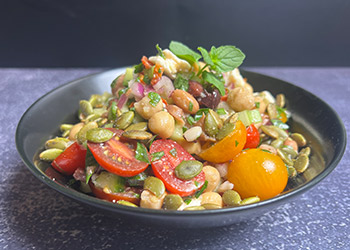
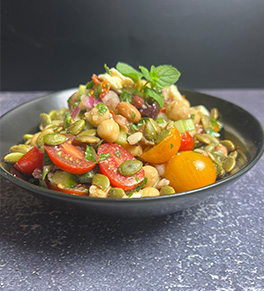
Bean salads are a staple of the Mediterranean region, and this version is especially rich in whole, minimally processed ingredients that support long-term health and longevity.
Legumes like cannellini beans and chickpeas provide plant-based protein, fiber, iron, magnesium and slow-digesting carbohydrates that help stabilize blood sugar, support gut health and promote fullness.
Adding fresh vegetables, such as cucumber, cherry tomatoes, celery, red onion, parsley and mint, provides vitamins, minerals and protective plant compounds like lycopene, quercetin and vitamin C, all of which help combat oxidative stress and support immune function.
Jump to recipe
Extra-virgin olive oil and kalamata olives contribute heart-healthy monounsaturated fats and powerful antioxidants that are linked to reduced inflammation and a lower risk of cardiovascular disease.
Garlic and oregano contain natural antimicrobial and antioxidant compounds that may support heart health and immunity, while lemon juice and red wine vinegar can aid digestion and improve nutrient absorption.
Walnuts or pumpkin seeds add healthy fats, magnesium, zinc and additional fiber to support brain, heart and metabolic health. A small amount of feta cheese contributes calcium and protein, while herbs and seasonings enhance flavor naturally without relying heavily on sodium or processed condiments.
“Altogether, these nourishing recipes reflect the core principles of blue-zone eating patterns that support healthy aging and reduce the risk of chronic disease,” Rankell says.