




Preventing dangerous heat illnesses
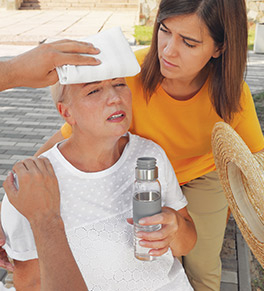
When temperatures climb each summer, heat-related illnesses become increasingly common — and potentially deadly.
While many people may be familiar with terms like heat cramps, heat exhaustion and heat stroke, few understand the critical differences between them or recognize when a medical emergency is unfolding.
“Heat illnesses fall along a continuum and often have overlapping symptoms and signs,” explains UCI Health emergency medicine specialist Dr. Isabel M. Algaze Gonzalez.
Heat-related illnesses range from mild to severe. Without prompt intervention, symptoms can rapidly escalate, especially during extreme heat or physical exertion.
More than 60,000 people visit U.S. emergency departments each year for heat-related illness and over 13% of them require hospitalization, according to the American Medical Association. Meanwhile, studies show that heat-related deaths jumped 50% to about 4,000 a year over the last two decades as average U.S. summer temperatures continued to set records.
Understanding the warning signs — and knowing how to respond — can save lives, Algaze says.
First sign
Heat cramps are the earliest warning sign. These painful muscle spasms often occur after physical activity in hot weather. They are usually caused by dehydration and electrolyte imbalance from excessive sweating. Common symptoms include:
- Muscle cramping in the legs, arms or abdomen
- Excessive sweating
- Thirst
- Fatigue
“Although heat cramps are considered the mildest form of heat illness, they should never be ignored,” Algaze says. “Without cooling down and rehydrating, heat cramps can progress to heat exhaustion.”
Next level
Heat exhaustion is a more serious heat illness that occurs when the body can no longer adequately compensate from heat stress. Signs and symptoms may include:
- Profuse sweating
- Rapid heartbeat or racing pulse
- Dizziness, weakness or fainting
- Headaches
- Nausea
- Muscle cramps
- Clammy skin
- Difficulty concentrating
- Extreme thirst
Even mild dehydration can impair the body’s ability to regulate temperature. In fact, losing just 1% of body weight from dehydration may lead to headaches, dizziness, stomach cramping and diminished focus, Algaze adds.
Heat exhaustion can develop rapidly during strenuous activity, particularly when environmental conditions impair the body's ability to dissipate heat.
At the first sign of symptoms, Algaze recommends initiating cooling behaviors and/or first aid such as moving to or adding external sources of cooling.
Danger zone
Heat stroke, the most severe form of heat illness, requires immediate emergency medical care. As the body’s core temperature rises dangerously high, the body begins to shut down.
Warning signs of heat stroke include:
- Confusion or altered mental status
- Agitation or unusual behavior
- Difficulty walking or loss of coordination
- Hot, flushed skin which may be dry or sweaty
- Severe weakness
- Fainting or unconsciousness
Heat stroke triggers a severe inflammatory response that Algaze compares to a widespread infection. Blood flow is redirected toward the skin and muscles in an attempt to cool the body, which can deprive vital organs of adequate circulation.
At extremely high temperatures, important enzymes in the body begin to “denature,” meaning they lose their structure and stop functioning properly. Without rapid cooling and emergency treatment, heat stroke can lead to organ failure, brain damage and death.
When to call 911
If someone is showing signs of heat stroke — especially confusion, disorientation, fainting or altered behavior — call 911 immediately.
While waiting for medical help, you should:
- Move the person to a cool or shaded area.
- Remove unnecessary clothing.
- Wet the skin with cool water.
- Fan the person to increase cooling.
- Place ice packs on the neck, armpits, forehead and groin.
- If it is safe and possible, carefully immerse the person in cool water up to their shoulders. Rapid cooling can help prevent permanent organ damage.
Who is most at risk?
Older adults, infants and people with chronic illnesses are particularly vulnerable, but heat illness can affect anyone. Other groups at increased risk include:
- Young children
- Athletes and outdoor workers
- Individuals who are overweight
- People with heart or kidney disease
Certain medications also can increase one’s susceptibility to heat illness. These include:
- Diuretics
- Antihistamines
- Beta blockers
- Amphetamines
- Some antidepressants
Preventing heat illness
Fortunately, many heat-related emergencies are preventable with proper preparation and awareness.
"Most adults engaged in prolonged activity in the heat should drink fluids regularly, guided by thirst and sweat loss while avoiding overhydration," says Algaze, who directs the Wilderness Medicine Fellowship at the UC Irvine School of Medicine.
She also recommends incorporating these safety measures during hot weather:
- Monitor weather reports and heat advisories.
- Avoid strenuous activity during peak heat hours, especially between 10 a.m. and 2 p.m.
- Wear lightweight, loose-fitting, light-colored clothing.
- Prehydrate the day before strenuous exercise.
- Take regular breaks in the shade.
- Carry electrolyte-replacement beverages or salty snacks during prolonged periods outdoors.
- Eat balanced meals and avoid heavy foods that increase body heat during digestion.
- Avoid alcohol and excessive caffeine, which can worsen dehydration.
- Seek air-conditioned environments when temperatures reach 90°F and above.
"Heat illness can escalate quickly, but recognizing the early warning signs and responding immediately can prevent serious complications."