




Chronic lateness might be time blindness in some
Challenges come from differences in processing, managing time, says UCI Health experts
IN THE NEWS: Are you chronically late to appointments, parties and other gatherings? The reason could be a phenomenon called time blindness. It occurs when the brain has challenges processing and managing time, making it difficult to estimate how long it will take to finish a task, meet a deadline or travel to a meeting.

Dr. Geeta Grover, a developmental and behavioral pediatrician at UCI Health, spoke with MSN about how time blindness can disrupt the harmonious nature of how the brain operates.
She also touched on how the condition is most common in individuals diagnosed with attention deficit hyperactivity disorder (ADHD). It can also affect people diagnosed with autism spectrum disorder, obsessive compulsive disorder (OCD), traumatic brain injury, depression, anxiety, and even Parkinson’s or multiple sclerosis.
It’s important to recognize that those with time blindness have brains that operate differently, according to Grover.
“Time blindness is not willful. It is part and parcel of the executive function skills deficits. Be kind to yourself and understand that this is not on purpose, but part of brain-based differences.”
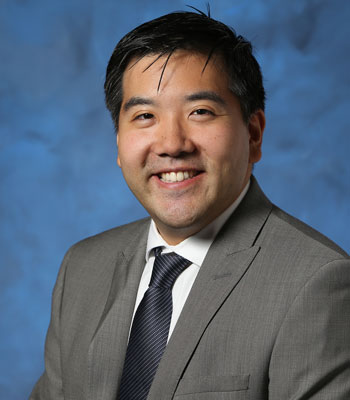
Dr. Peter Chung, the medical director of the UCI Health Center for Autism & Neurodevelopmental Disorders says that establishing routines with buffer time between tasks can help with stress and decision fatigue.
“Setting regular routines for daily tasks can help develop a consistent rhythm for them, which will require less conscious effort to get things done.”
Grover practices at the UCI Health Center for Autism & Neurodevelopmental Disorders. Her clinical interests are ADHD, learning disabilities and autism spectrum disorders. She is also a professor in the Division of Developmental & Behavioral Pediatrics in the Department of Pediatrics at UC Irvine School of Medicine.
Chung is a pediatrician who specializes in developmental and behavioral medicine. His research focus includes deaf culture, assistive technology, narrative medicine, video games for therapeutic application, medical education and quality improvement. Chung is an associate professor of pediatrics at the UC Irvine School of Medicine.
About UCI Health
UCI Health is one of California’s largest academic health systems and the clinical enterprise of the University of California, Irvine. Established on July 1, 1976, UCI Health has grown into a 1,513-bed health system that includes UCI Health — Orange, UCI Health — Irvine, its newest facility, UCI Health — Irvine Rehabilitation Hospital, four Community Network hospitals and a growing network of ambulatory care centers across Orange and Los Angeles counties. As Orange County’s only academic health system, UCI Health is home to the only National Cancer Institute-designated comprehensive cancer center based in the county, the region’s only American College of Surgeons-verified Level I adult and Level II pediatric trauma center, American College of Emergency Physicians Gold Level 1 Geriatric Emergency Department and a nationally recognized regional burn center verified by the American Burn Association. Powered by UC Irvine, UCI Health serves 5.6 million people across Orange County, western Riverside County and southeast Los Angeles County through excellence in patient care, research and medical education. Follow UCI Health on Facebook, Instagram, LinkedIn and X.