




UC Irvine receives $12 million to test novel stem cell therapy for Huntington’s disease
CIRM award will support first-of-its-kind clinical trial in humans
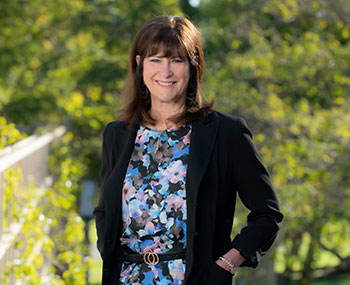
Irvine, Calif. — Leslie M. Thompson, Donald Bren Professor of psychiatry and human behavior as well as neurobiology and behavior at the University of California, Irvine, has received an $11,999,933 grant from the California Institute for Regenerative Medicine for an unprecedented clinical trial of a novel neural stem cell therapy for Huntington’s disease.
This award will support a first-in-human safety and tolerability study of an embryonic stem cell-derived neural stem cell product for Huntington’s disease, a milestone for patients who currently have no available therapies that alter the course of this devastating disorder.
The study will focus on the safety of the cell product, which, it is hoped, can protect brain cells, repair damaged brain circuits and slow or prevent disease progression in humans. This will be the initial test of embryonic stem cell-derived cells in people with Huntington’s disease (HD); previous trials used cells from fetal cells or tissue. The clinical trial is expected to begin in mid-2026. This novel cell therapy has been tested extensively in preclinical safety and efficacy studies and shows promise to advance treatment for HD.
Huntington’s disease is a genetic disorder that gradually destroys brain cells, usually starting between the ages of 35 and 50 and worsening over 10 to 20 years. Symptoms include involuntary movements, difficulty thinking and planning daily tasks, and mood changes such as depression.
The therapy being tested, called hNSC-01, uses neural stem cells that can protect existing brain cells from dying, replace lost cells, rebuild impaired brain circuits, release helpful proteins such as BDNF that are low in HD patients, and reduce harmful protein accumulations that damage brain cells. These outcomes have all been demonstrated in animal studies, in which the cells also improved movement, restored brain function and were shown to be safe over long periods.
The clinical trial at UC Irvine will enroll 21 people with early-stage Huntington’s disease, with 12 participants in a phase 1B dose-escalation group and nine in a phase 2A expansion group. The cells will be surgically delivered into the brain, and subjects will be closely monitored for safety as well as preliminary signs of potential benefit.
Huntington’s disease places a huge burden on patients, families and caregivers, often lasting decades. In California alone, hospital costs for these patients can range from $3 million to $25 million annually. If successful, this therapy could allow people with Huntington’s disease to live independently longer and significantly reduce long-term care costs, easing the strain on families.
“This trial is an exciting step toward changing the course of Huntington’s disease,” said principal investigator Thompson, who’s also a professor of biological chemistry. “It provides additional hope to patients and families who currently have very few options.”
She added: “The award is the culmination of a tremendous effort from a team of investigators, including Dr. Jack Reidling and Yuna Muyshondt at UC Irvine and the UC Davis GMP facility that produced the cell product.”
Thompson has studied Huntington’s disease for more than three decades and has received $17.6 million in CIRM funding to advance both fundamental science and translational avenues. In 2019, she was awarded $6 million to develop stem cell-based HD therapies, an effort that has since cleared an investigational new drug application with the U.S. Food and Drug Administration, paving the way for the current award to fund the early-phase clinical trial in humans through the UC Irvine Alpha Clinic.
In October of this year, Thompson was awarded $2 million in CIRM funding to probe one of medicine’s most baffling mysteries: why Huntington’s disease devastates some brain cells while sparing others. Her laboratory integrates patient-derived stem cells, transcriptomics, proteomics and bioinformatics to investigate disease mechanisms, while also pursuing new paths to understanding why certain brain cells are more vulnerable than others to Huntington’s disease. In addition, Thompson co-directs UC Irvine’s Sue & Bill Gross Stem Cell Research Center.
The new grant is part of CIRM’s Clinical Trial Stage Projects, which aim to accelerate promising stem cell therapies from late-stage preclinical development through clinical trials to address unmet medical needs.
About the Alpha Clinic: The UC Irvine Alpha Clinic is one of nine California Institute for Regenerative Medicine clinical research centers in the state. The clinical trial arm of the UC Irvine Sue & Bill Gross Stem Cell Research Center, it.specializes in leading-edge stem cell clinical trials and gene therapies. It also seeks to accelerate the development of new treatments through partnerships with patients, medical providers and clinical trial sponsors. Visit stemcell.uci.edu to learn more about regenerative medicine research and stem-cell clinical trials.
About the University of California, Irvine: Founded in 1965, UC Irvine is a member of the prestigious Association of American Universities and is ranked among the nation’s top 10 public universities by U.S. News & World Report. The campus has produced five Nobel laureates and is known for its academic achievement, premier research, innovation and anteater mascot. Led by Chancellor Howard Gillman, UC Irvine has more than 36,000 students and offers 224 degree programs. It’s located in one of the world’s safest and most economically vibrant communities and is Orange County’s second-largest employer, contributing $7 billion annually to the local economy and $8 billion statewide. For more on UC Irvine, visit www.uci.edu.