




Recognizing and treating insomnia
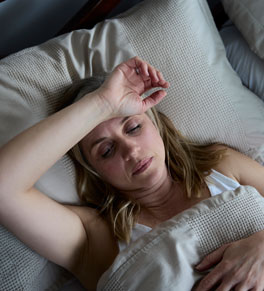
Nearly everyone has experienced a sleepless night of tossing and turning at some point in their lives.
But when it persists night after night and interferes with daytime functioning, the lack of a good night's rest may be a deeper problem called insomnia.
While insomnia is most commonly understood as not sleeping well, UCI Health sleep expert Dr. KyoungBin Im says it includes difficulty falling asleep, staying asleep or waking up too early despite having the opportunity to sleep.
“Insomnia becomes a medical problem when poor sleep is accompanied by daytime consequences, such as fatigue, impaired concentration, or mood disturbances,” he says.
Insomnia affects about 10% to 30% of adults, with about 6% to 10% of the population experiencing chronic problems sleeping, Im says. Over a lifetime, an estimated 50% and 70% of people will experience the condition, .
Insomnia causes
Sleep experts use the three P's model of insomnia to explain factors affecting the development and persistence of chronic insomnia:
- Predisposing genetic, physiological and psychological factors. These are underlying traits such as a genetic tendency for light sleep or high anxiety.
- Precipitating physiological, environmental or psychological stressors. These are triggering events such as starting a new job, grief, illness or other major life changes.
- Perpetuating behavioral, psychological, environmental and physiological factors. These are coping behaviors like taking naps, spending excessive time in bed and worrying about sleep that ultimately reinforce poor patterns.
Certain health issues may also disrupt sleep, especially if symptoms become more pronounced in the evening. These include:
- Cardiovascular conditions such as heart failure, angina and palpitations
- Respiratory disorders, including asthma, chronic bronchitis and chronic cough
- Neurological conditions such as Parkinson’s disease, nocturnal seizures and multiple sclerosis
- Psychiatric conditions, including depression, anxiety disorders and bipolar disorder
Im notes that other sleep disorders frequently coexist with or mimic insomnia. These include obstructive sleep apnea and restless legs syndrome, conditions that he recommends be evaluated by a physician.
Protecting future health
Simply living with night after sleepless night is not a strategy. Getting help is a matter of protecting one’s future health, Im says.
“Insomnia is associated with the development and worsening of multiple medical and neuropsychiatric conditions.”
This long list includes hypertension, diabetes, migraines, depression, anxiety disorders, dementia and Parkinson’s disease.
Getting back to sleep
In the meantime, there ways to set yourself up for more restful nights.
“People who want to maintain healthy sleep patterns should practice good sleep hygiene,” Im says.
These include:
- Get regular exercise
- Get exposure to morning light
- Eat healthy
- Drink alcohol in moderation
- Establish a regular sleep schedule
If possible, make the bedroom a place for sleep and sex only. Once you are in bed, do not:
- Eat
- Read
- Watch TV
- Use a computer or phone
- Worry
If the first four items are used as a distraction from worry, Im recommends developing new coping strategies, such as deep breathing or meditation exercises to help wind down from the day.
After a sleepless night, he advises against spending more time in bed trying to fall asleep or trying to catch up on sleep later in the day.
Diagnosis and treatment
If sleeplessness persists, it’s time to visit a physician.
Reported sleep difficulties, daytime impairment and the duration of symptoms are all factored into an insomnia diagnosis, along with sleep diaries and validated questionnaires.
“While understanding the definition of insomnia is important, it is equally critical to determine whether insomnia symptoms represent primary insomnia disorder or are secondary to another medical, psychiatric or sleep-related condition,” Im cautions.
“This distinction is essential, as it directly informs appropriate management and whether additional evaluation or testing is necessary.”
Knowing which type a patient is experiencing is also important:
- Acute insomnia is short-term, often triggered by stress, illness or significant life events. It typically lasts days to weeks and is usually self-limited.
- Chronic insomnia is defined as sleep difficulty occurring at least three nights per week for three months or longer, with associated daytime impairment.
Sleep medications should be used sparingly, for a short time and along with another type of therapy. Im starts with cognitive behavioral therapy for insomnia (CBT-I), the recommended first-line treatment with the strongest evidence for long-term benefits.
“Not all insomnia is the same,” he says. “Individuals should not assume that insomnia symptoms automatically indicate insomnia disorder. Identifying the underlying cause is key to effective treatment.”
To make an appointment with UCI Health Sleep Medicine Services, call 714-509-2230.
Related stories
Explore further
Browse more blog posts by topic.