




Cabbage crush: A new trend for a versatile vegetable
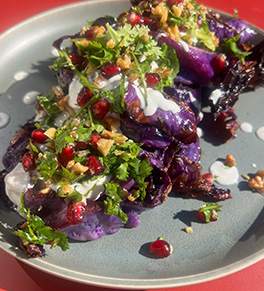
From crispy roasted cabbage steaks and colorful slaws to Korean kimchi and homemade sauerkraut, cooks are discovering creative and delicious ways to enjoy this affordable, versatile vegetable.
Cabbage is easy to find and comes in several varieties, including green, red, Napa, Savoy and bok choy, all offering an impressive range of nutritional benefits.
It’s also low in calories and rich in fiber, which supports digestive health and helps nourish beneficial gut bacteria.
“Whether enjoyed raw, steamed, roasted, sautéed or fermented, adding cabbage to your meals is a simple way to support overall wellness,” says Jessica VanRoo, executive chef of the Susan Samueli Integrative Health Institute, part of UCI Health.
“These two recipes also can add flare to your holiday meals thanks to their unique flavors and festive colors.”
Ginger cabbage and chicken meatball soup
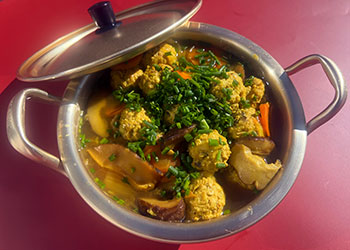 Fresh ginger is the main ingredient in this aromatic soup, which has soothed upset stomachs and calmed nausea for thousands of years. It’s warm, spicy flavor comes from natural compounds called gingerols.
When you cook ginger, some gingerol compounds change into shogaols, which are even spicier, and others become zingerone, which lends a milder and a bit sweeter flavor.
“That’s why raw ginger tastes sharper, while simmered ginger has a rounder flavor,” says VanRoo. “By grating ginger into the meatballs and slicing it into the broth, you get its taste in every bite.”
This soup features Napa cabbage, the tender, milder cousin of green cabbage that is a great source of vitamins C and K. Added towards the end of cooking, it stays crisp and retains more of its healing sulfur compounds.
The ground chicken in the meatballs provides lean protein, which helps maintain muscle strength, supports tissue repair and promotes fullness. Rolled oats in this recipe replace traditional breadcrumbs used to soak up moisture and keep the meatballs tender. Oats also add soluble fiber, which can help lower LDL cholesterol over time.
Shiitake mushrooms have two roles in this soup.
Jump to recipe
“When chopped and mixed into the meatballs, they help keep the chicken juicy and add a rich, umami flavor, so you can use less salt,” VanRoo says.
Sliced into the broth, they add potassium and a type of fiber called beta-glucan that blocks cholesterol accumulation in the liver and lowers blood lipids, while also stimulating white blood cell production and improving immune cell function
The soup’s deep, savory flavor comes from white miso, a fermented soybean paste.
“Some miso also has beneficial bacteria cultures that support gut health, but heat kills them,” says VanRoo. “If you want the live cultures, look for unpasteurized miso in your market’s refrigerated section and stir a small spoonful into your own bowl once the soup is cool enough to eat.”
Finally, we come to the super spice that gives the broth its bright golden color: turmeric. Its main compound, curcumin, helps reduce inflammation, but your body does not absorb it well on its own.
This recipe calls for cooking turmeric and black pepper in olive oil before adding it to the broth. This activates the piperine in the black pepper and adds a little fat to help your body take in more curcumin, VanRoo notes.
You’ll find this nourishing soup a delicious way to incorporate more cabbage and vegetables, lean protein and flavorful ingredients into your weekly meal rotation.
“It’s both comforting and hearty, making it a wonderful addition to your fall cuisine,” she says.
Blistered red cabbage steaks with pomegranate walnut gremolata
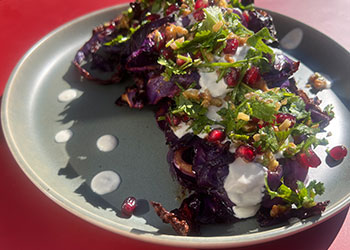 This colorful, flavor-packed dish offers more than a beautiful presentation; it delivers an impressive combination of nutrients that support overall health and wellness.
Red cabbage is rich in fiber, vitamins C and K and anthocyanins, the powerful antioxidants responsible for its deep purple-red color. They help protect cells from oxidative stress and also lower blood pressure.
“These plant compounds are also found in blueberries, blackberries and pomegranates,” says VanRoo. “Eating lots of colorful foods like these is linked to better heart health.”
Cabbage has natural sulfur compounds that support the body's own repair enzymes. Eating it raw or lightly cooked keeps most of these compounds intact.
“Roasting at high heat gives you great flavor but uses up some of them, so it's smart to enjoy cabbage both ways,” says VanRoo. “You can use the trimmed ends from this recipe to make a tasty raw slaw.”
One serving of these cabbage steaks gives you more than a day's worth of vitamin C, which supports your immune system and helps you absorb iron from plant foods.
Gremolata, a traditional uncooked Italian herb condiment originating from Milan, is a potent and flavorful topping for these tasty steaks. This recipe’s combination of pomegranate and walnuts takes the nutritional benefits of this dish even further.
Pomegranate arils, the sweet sacs covering the fruit’s seeds, add a juicy tartness and provide antioxidants called polyphenols, along with fiber and vitamin C to support cellular health and immune function.
Jump to recipe
Walnuts happen to be the best nut source of a plant-based omega-3 fatty acid called ALA. Omega-3s help keep your blood vessels flexible and reduce inflammation, supporting cardiovascular health. Studies also show that eating walnuts regularly can help lower LDL cholesterol.
Given their cost, VanRoo says, “Toasting walnuts for a few minutes brings out their flavor, so you don't need to use as many.”
The recipe’s creamy lemon garlic yogurt sauce adds protein and calcium from Greek yogurt, along with healthy fats and a nutty richness from tahini, which is made from sesame seeds. Fresh lemon juice provides additional vitamin C and a vibrant citrus note.
The garlic that dominates the yogurt sauce has a neat trick. When you chop, mince or grate it, an amino acid called alliin mixes with an enzyme called alliinase to form allicin, which gives garlic many of its health benefits, VanRoo notes. “Let the grated garlic rest for 10 minutes to fully activate .”
“The yogurt sauce is served cold, underneath the warm cabbage, for a reason,” says VanRoo. “Greek yogurt has live cultures that support gut health and heat kills them. Keeping the sauce cold protects them, so you get the full benefit.”
Whether you're looking to support heart health, digestive wellness or simply incorporate more colorful, fiber- and nutrient-rich foods into your diet, this delicious recipe is a wonderful addition to a balanced eating plan.
“Cabbage crush is one of the healthiest food trends I’ve seen, and this recipe is a beautiful reminder that eating well doesn't mean sacrificing flavor,” says VanRoo.