




Calm down: recipes for stress relief
A nutrient-dense diet acts as a crucial buffer against stress, mitigating its harmful effects on the body, mind and emotions.
Consistently fueling your body with balanced meals — rich in whole grains, lean proteins, healthy fats and a variety of fruits and vegetables — helps prevent spikes and crashes in blood sugar levels that can trigger irritability, anxiety and fatigue.
“Nutrients such as magnesium, B vitamins and omega-3 fatty acids are especially important,” says Katie Rankell, a registered dietitian and program director of the UCI Health Weight Management Program. “They contribute to brain health and the production of neurotransmitters like serotonin, which helps promote a sense of calm and well-being.”
A healthy diet and plenty of water can also strengthen your body’s resilience to stress over time. While highly processed foods, refined sugars and caffeine may offer temporary comfort or energy, they often increase inflammation and disrupt sleep, both of which can heighten stress levels.
“Dehydration can increase cortisol, the body’s primary stress hormone, so drink water throughout the day,” Rankell advises. “Over time, these dietary changes not only improve physical health but also enhance mental clarity, emotional balance and your overall ability to cope with everyday challenges.”
Fresh from the kitchen of Jessica VanRoo, executive chef of the Susan Samueli Integrative Health Institute, part of UCI Health, these calming, restorative recipes nourish both body and mind, helping to create a more grounded, relaxed state of being.
Coriander–citrus roasted beets with pumpkin seed gremolata
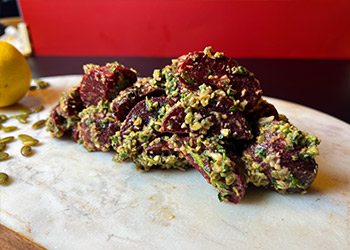 Beets are a superfood due to their nutrient-rich profile, high fiber content and potent anti-inflammatory properties. When roasted, this root vegetable softens to a silken, tender texture with a sweeter, deeper flavor.
They are full of nitrates, which the body converts into nitric oxide, a compound that helps improve blood flow and oxygen delivery to the brain, lower blood pressure and enhance exercise performance.
They’re also high in antioxidants like betalains, which offer anti-inflammatory and cardiovascular benefits and may support liver detoxification.
These nutrients also may enhance mental clarity and reduce the fatigue that is often associated with stress overload.
Jump to recipe
Coriander and cumin, long used in Ayurvedic medicine, are known to support gut health, provide antimicrobial properties and aid in stress relief. The results of one animal study suggest that coriander produced effects almost similar to the anti-anxiety drug diazepam at the correct dosage. Cumin is rich in thymoquinone, an antioxidant thought to reduce the body’s physiological stress response.
A refreshing topping of pumpkin seed gremolata adds another layer of powerful stress fighters to this recipe. Pumpkin seeds are especially beneficial because they’re rich in magnesium, a mineral known to support relaxation, regulate the nervous system and improve sleep quality. They also contain zinc and iron, which play a role in muscle function and energy production.
Citrus, parsley and cilantro provide vitamin C and antioxidants that help lower cortisol levels and combat oxidative stress, while the sulfur compounds in garlic contribute additional immune-boosting and cardiovascular benefits.
“This combination of ingredients not only tastes vibrant and fresh, but it also does a great job of reducing the body’s stress responses and supporting overall wellness,” says Rankell.
Poached chicken in saffron (or turmeric), leek and parsley broth
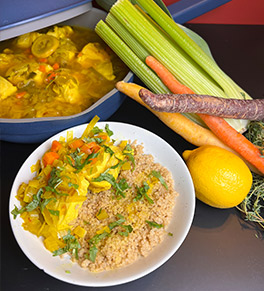
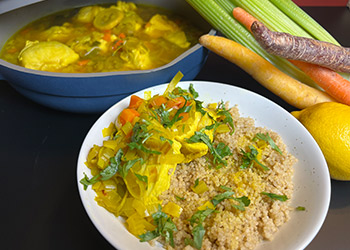 This nourishing dish is packed with stress-relieving ingredients. Lean chicken breast supports serotonin production for mood balance while also providing high-quality protein essential for muscle repair and sustained energy.
Both saffron and turmeric have been studied for their potential mood-boosting and anti-anxiety effects, with some research showing benefits in treating major depression.
Saffron contains powerful antioxidants like crocin and safranal that can increase serotonin and dopamine levels. The spice even shows potential for enhancing sleep quality, which in turn reduces stress.
Turmeric contains curcumin, a well-known digestive aid that may also support joint health as well as regulate the immune system and reduce inflammation linked to chronic stress.
Jump to recipe
Herbs and seasonings — such as thyme, parsley, bay leaves and black peppercorns — not only deepen flavor, they also have antimicrobial and anti-inflammatory properties. Splashes of lemon juice add immunity-boosting vitamin C to enhance iron absorption.
“Serving this delicious dish over whole grains like barley or farro adds complex carbohydrates and fiber, helping to stabilize blood sugar and steady serotonin production,” Rankell says. “It provides all the essential building blocks to maintain your physical and mental well-being.”
Related stories
- MIND food: Recipes for brain health
- The healing power of art at UCI Health — Irvine
- Soothing, satisfying soups