



Histotripsy is a non-invasive treatment that uses focused ultrasound waves to destroy liver tumors.
This therapy may be an option for patients whose tumors cannot be removed surgically.

If you are experiencing an emergency, please call "911" or go to the nearest UCI Emergency Department

UCI Health specialists offer histotripsy, an innovative treatment that uses focused ultrasound energy to destroy certain liver tumors without surgery.
Histotripsy is a non-invasive treatment that uses focused ultrasound waves to destroy liver tumors.
This therapy may be an option for patients whose tumors cannot be removed surgically.
If traditional liver cancer treatments aren’t a match for your condition, you may be a candidate for histotripsy.
Histotripsy is a new type of cancer treatment that uses focused ultrasound waves to destroy tumor tissue without incisions.
Instead of heat or radiation, histotripsy creates microscopic bubbles that break apart tumor cells while helping preserve surrounding healthy tissue.
Because histotripsy does not require incisions or needles, it may reduce the risk of infection and allow for faster recovery.
Your care team will carefully review your imaging studies and medical history to determine whether histotripsy may be right for you.
We understand that getting a cancer diagnosis can be life changing.
Our interventional radiologists perform histotripsy treatment in close collaboration with specialists at the Chao Family Comprehensive Cancer Center.
Your care team evaluates your tumor and determines how histotripsy may fit into your overall treatment plan.
If you've been diagnosed with liver cancer, your oncologist may refer you to the UCI Health Chao Family Comprehensive Cancer Center.
Here, you’ll meet with one of our expert interventional radiologists.
Your physician will review your medical history and perform tests to determine if you qualify for histotripsy.

UCI Health specialists evaluate your condition and help you understand non-invasive treatment options. Call 833-456-2788, option 2, to schedule a consultation.
Histotripsy destroys inoperable liver tumors using high-intensity ultrasound instead of incisions or needles.
The ultrasound waves produce microbubbles. This bubble action dissolves tumors mechanically and without the extreme heat or cold of other tumor-destroying techniques. Microbubbles help preserve your nearby tissues or arteries.
In the weeks after the procedure, the tumor will liquify naturally, passing out of your body with the help of your lymphatic system.
Most histotripsy patients go home the same day.
Histotripsy has been FDA-approved to treat liver cancer. However, researchers are actively studying its use to treat inoperable kidney, pancreas and breast cancers, bone cancer, uterine fibroids and other conditions.
They also research whether histotripsy can be used as an alternative to surgery by dissolving tumors that are surgically accessible.
Studies show a 95% success rate in destroying tumors within days of the procedure.
Yes, histotripsy is considered a safe, non-invasive treatment. It has received FDA clearance for liver tumor applications and continues to be studied in clinical trials for other uses. Unlike traditional ablation techniques, histotripsy works through a process called cavitation: the formation and collapse of microscopic bubbles that liquefy targeted cells while leaving surrounding healthy structures largely intact.
Yes. Histotripsy has been used before, after or in combination with other procedures. Your clinician will work with you to incorporate histotripsy into your overall treatment plan.
We don’t use incisions or needles; it may reduce the risk of infection and allow for faster recovery.
Histotripsy targets and destroys unwanted tissue while minimizing damage to surrounding tissue.
We can effectively destroy most tumors less than 3 cm in one treatment session. Multiple treatment sessions may be necessary depending on your condition and treatment plan.
The UCI Health Chao Family Comprehensive Cancer Center was the first National Cancer Center Institute (NCI)-designated comprehensive cancer center in California to offer histotripsy.
With minimally invasive techniques, you’ll experience less down time and relatively minor discomfort compared to open surgery.
For you, less time in the hospital and no incisions means a less risk of infection, scarring or complications.
UCI Health offers one of the largest clinical trial programs in the region as the only NCI-designated cancer center in Orange County.
These trials may give you access to treatments and techniques not yet widely available.
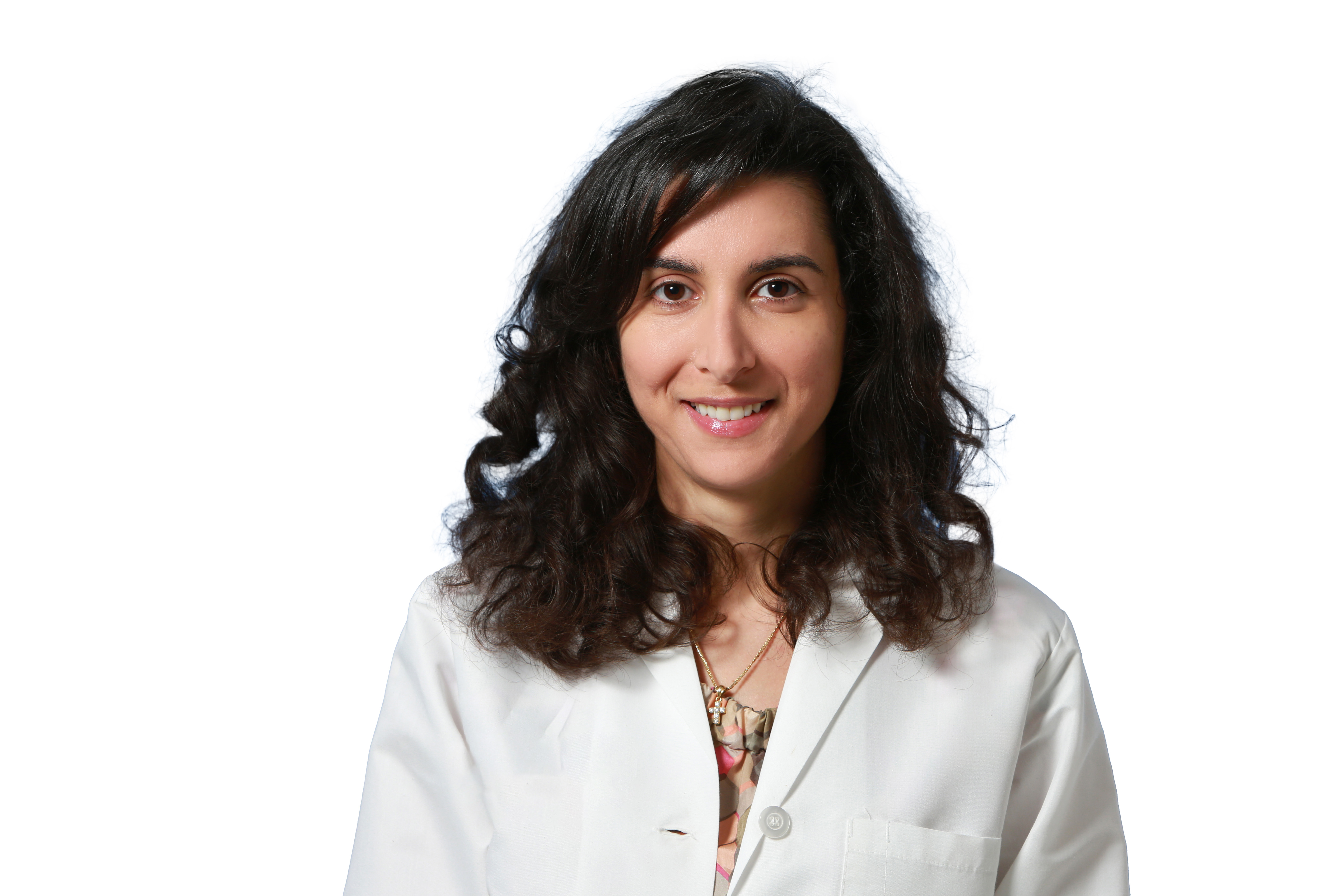
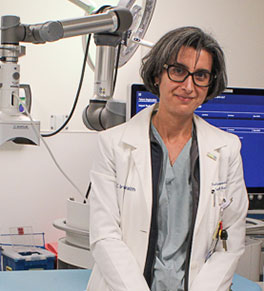
“There is no incision; that is the beauty of it. The risk of bleeding is very minimal. Patients can remain on blood thinners because we don’t have to worry about bleeding or blood clots forming like we do for other procedures.”
Learn more about Dr. Abi-JaoudehAfter consulting with your doctor, they may ask you to follow certain dietary restrictions before the procedure.
On the day of the procedure, we’ll take some preparatory images and give you general anesthesia. This is to help keep your body still for this precise treatment.
Because ultrasound is also an imaging technology, we monitor your treatment in real time.
The session will typically take one to three hours. You may experience pain afterward, but usually, there is a relatively quick recovery when you wake up.
After your histotripsy treatment, your clinicians will take some final images. For your safety, please arrange for someone to drive you home.
One month after treatment, we will administer a contrast enhanced CT or MRI scan to evaluate the treated tumor(s). We will also use the images we took to help us ensure the tumor tissue dissolved and was replaced with healthy tissue.
Your doctor will help schedule any other follow-up appointments.
The groundbreaking UCI Health clinical trial offers a novel approach to treating inoperable tumors.
The UCI Health Mastectomy Support Group is safe space for individuals who have undergone or are preparing to undergo a mastectomy.
If you plan to or have already undergone a stem cell transplant, the Stem Cell Transplant Support Group offers a safe and understanding environment for you before and after your transplant journey.