




Glaucoma: Seek help early
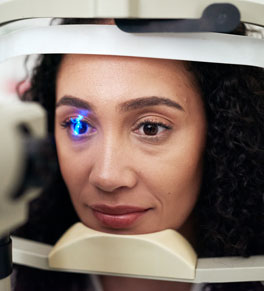
Glaucoma often does its damage quietly, not making itself known until vision loss has occurred.
The condition works by slowly damaging the optic nerve, responsible for sending visual information from the eye to the brain, says Dr. Andrew Smith, an ophthalmologist who specializes in the management of cataracts and glaucoma at UCI Health Gavin Herbert Eye Institute.
“What makes glaucoma particularly dangerous is that vision loss typically begins in the peripheral vision and progresses slowly to the center, without pain or noticeable symptoms,” he says.
“By the time patients become aware of a problem, substantial and irreversible optic nerve damage has often already occurred.”
Glaucoma causes
Glaucoma, a group of eye conditions, is commonly linked to elevated eye pressure.
“Pressure alone does not tell the whole story,” Smith says.
Other influences on glaucoma development include:
- Genetics
- Blood flow
- Mitochondrial health
- Lifestyle factors such as sleep, exercise and overall health
“Despite decades of research, we still lack a complete understanding of why some people develop glaucoma at low pressures while others tolerate high pressures without damage,” notes Smith.
“While the risk of glaucoma increases with age, it is not an inevitable consequence of getting older.”
Monitoring those at risk
Because glaucoma is a spectrum of conditions, risk is determined by both measurable factors and an individual’s overall susceptibility.
“Patients with a family history of glaucoma, elevated eye pressure, thin corneas, certain ethnic backgrounds, or systemic vascular disease should be monitored earlier and more closely,” he says.
Normal eye pressure does not eliminate one’s risk for glaucoma, particularly if there have been changes in the optic nerve.
Smith recommends early awareness of problems and risk-based screening.
“Waiting for symptoms means waiting too long.”
Treating glaucoma
The nerve damage done by glaucoma cannot be reversed. It can be slowed by reducing eye pressure through drops, laser procedures or surgery.
Each option, while effective, has its own set of pros and cons, Smith says.
Sticking to a daily routine of multiple eye drops can be a burden and bring unwanted side effects. Surgery carries the risk of vision loss or other eye issues, and it may not eliminate the need for eye drops.
Despite interventions, he says, some patients may continue to lose vision.
“While treatments to lower the eye pressure are effective, these challenges highlight the need for regular monitoring and a good doctor-patient relationship to manage this lifelong disease.”
To schedule an appointment with the UCI Health Gavin Herbert Eye Institute, please call 949-824-2020.
Related stories