




Good guava! Tropical dishes to brighten your table
Southern Californians frequently grow tropical pink or white guavas because our mild coastal climate and long, warm summers provide a perfect environment for them to flourish.
If you’re one of the many folks who have guava trees in their garden, these recipes will help you make the most of their bountiful harvest.
“I had so many guavas this year that beyond giving them away, it also sparked my creativity to use this colorful, nutritious fruit in new ways,” says Jessica VanRoo, executive chef of the Susan Samueli Integrative Health Institute, part of UCI Health.
Guava is showing up everywhere, from drinks and snacks to glazes and dipping sauces and they’re in the spotlight for good reason. First, guava is packed with protein — over four grams per cup! Its high-fiber content offers sweetness that doesn’t spike your blood sugar and insulin.
Plus, one cup of guava has more potassium than a cup of banana. Potassium actively promotes and increases cellular hydration, helping to lower blood pressure as well as protect heart and muscle health. It is also exceptionally rich in vitamins C and A as well as minerals and antioxidants that help support immune function and protect cells from oxidative stress.
Guava citrus glaze for grilled fish or chicken
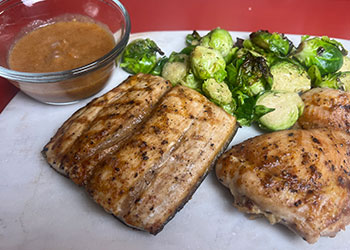 It’s barbecue season and you can’t go wrong with this versatile guava citrus glaze, which adds natural sweetness and bright flavors to fish or chicken.
In addition to guava, Medjool dates help to naturally sweeten the glaze while providing more fiber, potassium, magnesium and beneficial plant compounds.
“The fiber from the dates and fresh guava helps slow down the release of sugar,” says VanRoo.
Fresh lime zest and juice add more vitamin C and citrus flavonoids. The garlic, ginger, smoked paprika and cayenne pepper in this recipe contribute antioxidants and bioactive compounds to help support healthy inflammation responses and digestion.
Jump to recipe
Lean chicken or fish provide high-quality protein needed for muscle maintenance, tissue repair and immune function while remaining low in saturated fat. Mahi mahi and other firm white fish also offer essential nutrients such as selenium, vitamin B12 and phosphorus.
“The small amount of olive oil in the glaze adds heart-healthy monounsaturated fats that enhance flavor and aid in the absorption of fat-soluble nutrients,” says VanRoo.
“By relying on whole fruits, herbs, spices and citrus for flavor instead of large amounts of added sugar or sodium, this recipe delivers a nutritious, flavorful entrée that fits well into a balanced eating pattern."
Air-fried cauliflower pakora with guava mint chutney
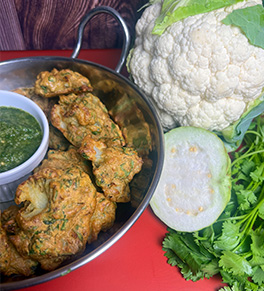
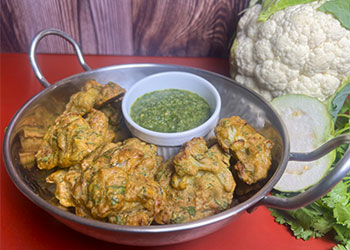 Traditional pakoras are crispy, deep-fried fritters made with meat, vegetables or paneer (a type of South Asian cheese) that are coated in a batter of spiced chickpea flour. Originating in India, pakoras are a staple of street food carts there as well as in Pakistan, Bangladesh and Nepal.
Preparing pakoras in an air fryer significantly reduces the amount of added oil compared with traditional deep frying, lowering the overall fat and calorie content while still producing a crisp exterior.
Cauliflower belongs to the Brassica family alongside broccoli, Brussels sprouts and kale. It is low in calories and is an excellent source of vitamins C and K, folate and dietary fiber, all of which support immune function, bone health, digestion and overall wellness.
“They also contain glucosinolates, compounds that convert to bioactive forms including sulforaphane during digestion, which have been studied for their role in antioxidant defense and anti-inflammatory pathways,” says VanRoo.
Using chickpea flour instead of refined flour adds plant-based protein, fiber, iron and folate, helping to promote fullness while maintaining steady blood sugar levels.
Jump to recipe
“Gram for gram, chickpea flour delivers roughly 20g of protein and 10g of fiber per 100g,” she adds. “That compares to about 10g protein and 3g fiber in all-purpose flour.”
The addition of a few tablespoons of rice flour contributes to the light, crispy texture, while spices such as turmeric, cumin, coriander, garlic, ginger and ajwain (carom seeds) provide natural antioxidants and anti-inflammatory compounds that may support digestive health.
Pairing the pakoras with guava mint chutney is the perfect finish. Chutney also originated in ancient India as a fresh, ground-up mixture of herbs, fruits and spices used in the practice of Ayurveda, an ancient Indian system of medicine.
Guava is one of the most vitamin C-dense foods available, delivering more than double the vitamin C of an orange per 100g. However, vitamin C degrades quickly with heat and time.
“Because this light, refreshing chutney is blended and never heated, it preserves the full vitamin C content of both the guava and the lime juice,” VanRoo says.
Sparkling guava cucumber mocktail
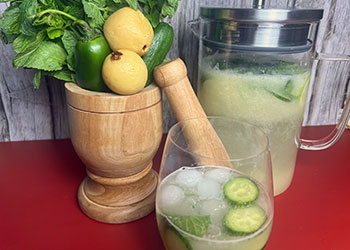 Botanical coolers are trending this summer. Moving beyond basic lemon and lime, they feature tropical flavors like mango and guava along with refreshing spa-like hints of cucumber, mint, elderflower and bergamot.
Because they are 96% water, cucumbers are considered super hydrators. They also offer the anti-inflammatory compounds beta-carotene, fisetin and cucurbitacin, which help protect cells from oxidative damage.
The mint in this drink adds another refreshing note and an extra boost of antioxidants and phytonutrients, along with vitamins A and B-complex, phosphorous and calcium.
Jump to recipe
“This sparkling guava-based mocktail is the perfect backyard beverage,” VanRoo says. “And with only 67 calories per serving, it’s a guilt-free pleasure for family and friends to enjoy!”