





Musculoskeletal Therapies | Pain Relief and Movement Support
Pain, stiffness and limited movement can affect your daily life. Our therapies help restore function and reduce discomfort.
Musculoskeletal pain and dysfunction can stem from injuries, overuse, arthritis or chronic conditions.
At UCI Health, specialists use evidence-informed, minimally invasive techniques to support your recovery, improve mobility and reduce pain.

Move more comfortably with musculoskeletal therapy
Pain, stiffness and limited movement can interfere with daily life.
Our specialists can help identify the source of your symptoms and recommend therapies to support recovery, mobility and wellbeing.
Our approach to musculoskeletal therapies
Your musculoskeletal health is vital to your overall wellbeing.
Whether you are recovering from an injury or managing a chronic condition, you deserve personalized, comprehensive care that looks beyond one symptom.
At UCI Health, our multidisciplinary team works together to identify the root causes of your pain, stiffness or limited movement.
Your care team may include:
- Physicians
- Physical therapists
- Osteopathic physicians
- Massage therapists
- Acupuncturists
- Other integrative health specialists
Together, we create a care plan that supports your body’s ability to heal and function.
Your treatment may include hands-on therapies, movement-based care, acupuncture, massage therapy or other integrative approaches. When appropriate, we may combine therapies to help reduce discomfort, improve alignment and restore mobility.
How musculoskeletal therapies can help
Musculoskeletal therapies can support recovery from injury, overuse and chronic pain.
These therapies may help if you have:
- Back pain
- Neck pain
- Joint pain
- Muscle tension
- Stiffness
- Limited range of motion
- Sports or activity-related injuries
- Overuse injuries
- Arthritis-related discomfort
- Pain related to posture, movement or alignment
The goal is to help you move more comfortably and return to daily activities with fewer limitations.
Types of musculoskeletal therapies
Your care plan depends on your condition, symptoms and goals.
At UCI Health, musculoskeletal therapy may include one or more of the following approaches.
Physical therapy
Physical therapy can help improve strength, flexibility, balance and movement patterns.
Your physical therapist may guide you through targeted exercises, stretching, manual therapy or movement retraining to support recovery and reduce the risk of future injury.
Osteopathic manipulation
Osteopathic manipulation is a hands-on treatment performed by osteopathic physicians.
These specialists use gentle pressure, stretching and precise manual techniques to improve movement, relieve pain and support whole-body function.
Massage therapy
Massage therapy uses therapeutic touch to ease muscle tension, reduce stress and support circulation.
Depending on your needs, massage may help with muscle pain, stiffness, repetitive strain, athletic overuse or recovery from certain medical treatments.
Acupuncture
Acupuncture is a traditional Chinese medicine practice that uses very fine, sterile needles placed at specific points on the body.
This therapy may help reduce pain, calm inflammation, support relaxation and restore balance.
Integrative therapies
Musculoskeletal pain can be influenced by stress, posture, nutrition, sleep, inflammation and activity patterns.
Your plan may include integrative tools such as mindfulness, breathwork, nutrition support, yoga therapy or other whole-person strategies when appropriate.
Musculoskeletal therapy locations
Procedures are done at UCI Health — Orange.
Consultations take place at UCI — Orange Pavilion 3 and UCI Health — Tustin.
What are musculoskeletal therapies?
What are musculoskeletal therapies?
Musculoskeletal therapies are treatments that support your muscles, bones, joints, tendons, ligaments and connective tissues.
At UCI Health, these therapies may include physical therapy, osteopathic manipulation, massage therapy, acupuncture, yoga therapy and other integrative approaches.
The goal is to reduce pain, improve movement and help your body function more comfortably.
What conditions can musculoskeletal therapies help treat?
Musculoskeletal therapies may help with pain, stiffness, weakness or limited movement caused by injury, overuse, posture, arthritis or chronic conditions.
They may support care for:
- Back pain
- Neck pain
- Joint pain
- Muscle tension
- Sports injuries
- Overuse injuries
- Arthritis-related discomfort
- Limited range of motion
- Posture-related pain
- Chronic pain
- Stiffness or reduced mobility
Your specialist will evaluate your symptoms and recommend the therapy or combination of therapies most appropriate for you.
What is the best therapy for musculoskeletal pain?
The best therapy depends on the cause of your pain.
Some people benefit from physical therapy to build strength and improve movement. Others may need hands-on treatment such as osteopathic manipulation or massage therapy. Acupuncture, yoga therapy, nutrition support or mind-body techniques may also help when pain is affected by stress, inflammation or lifestyle factors.
At UCI Health, your care team looks at your symptoms, health history, movement patterns and goals before recommending a plan.
Are musculoskeletal therapies painful?
Most musculoskeletal therapies are gentle or can be adjusted to your comfort level.
You may feel pressure, stretching or mild soreness during or after certain treatments, especially if tight or painful areas are being addressed.
Your specialist will talk with you throughout treatment and adjust the approach if something feels uncomfortable.
The goal is to support healing and movement, not to increase your pain.
Can musculoskeletal therapies help me avoid surgery?
In some cases, musculoskeletal therapies may help reduce pain and improve function without surgery. Many muscle, joint and movement-related concerns respond well to noninvasive or minimally invasive care. However, surgery may still be needed for certain injuries or advanced conditions.
Your UCI Health specialist will explain your options and help determine the safest and most effective approach for your condition.
How many therapy sessions will I need?
The number of sessions depends on your diagnosis, symptoms, goals and how your body responds to treatment.
Some people feel improvement after a few visits. Others need ongoing care, especially for chronic pain, complex injuries or long-term movement issues.
Your care plan may change over time as your pain, strength, flexibility and mobility improve.
Do I need a referral for musculoskeletal therapies?
A referral may be needed for some services, depending on your condition, insurance plan and the type of therapy recommended.
To learn what is needed for your visit, call the UCI Health Susan Samueli Integrative Health Institute at 949-824-7000.
Benefits of image-guided musculoskeletal therapies
Musculoskeletal therapies may help improve comfort, function and mobility.
Potential benefits include:
- Reduced pain
- Less muscle tension
- Improved flexibility
- Improved range of motion
- Better posture and movement patterns
- Increased strength and stability
- Improved ability to perform daily activities
- Support for recovery after injury
- Reduced stress related to chronic pain
- Better overall wellbeing
Your results depend on your condition, treatment plan and overall health.
What to expect
Your first visit begins with a thorough assessment.
Your specialist may review:
- Your symptoms
- Your health history
- Your activity level
- Your injury history
- Your current medications or treatments
- Your posture and movement patterns
- Your range of motion
- Your goals for care
Your evaluation may include a physical exam, hands-on assessment or review of previous imaging or test results.
After your assessment, your care team will recommend a personalized treatment plan. This may include one therapy or a combination of approaches.
What happens after my image-guided musculoskeletal therapy?
After your treatment, your specialist may recommend at-home practices to support your progress.
These may include:
- Stretching
- Strengthening exercises
- Posture adjustments
- Movement modifications
- Hydration
- Rest or activity pacing
- Stress-reduction practices
- Follow-up visits
Your treatment plan may change over time as your symptoms, mobility and goals improve.
Why choose UCI Health for image-guided musculoskeletal therapy?
A whole-person approach to pain and movement
At UCI Health, musculoskeletal therapies focus on more than the painful area.
We consider how movement, posture, stress, lifestyle and overall health may contribute to your symptoms. This helps us create a plan that supports long-term function.
Care from a multidisciplinary team
Musculoskeletal pain may require more than one type of care.
Your team may include physicians, osteopathic physicians, physical therapists, massage therapists, acupuncturists and integrative health specialists. This team-based approach helps connect the right therapies for your needs.
Hands-on, minimally invasive care
Many musculoskeletal concerns can improve with noninvasive or minimally invasive therapies.
Your care may include hands-on treatment, movement therapy, acupuncture, massage or other approaches designed to relieve pain without surgery whenever possible.
Personalized treatment plans
No two people experience pain the same way.
Your care plan is based on your symptoms, health history, movement patterns and personal goals. We tailor therapy to help you move more comfortably and return to the activities that matter to you.
Integrative support through the Susan Samueli Integrative Health Institute
At the UCI Health Susan Samueli Integrative Health Institute, musculoskeletal therapies can be part of a broader integrative wellness plan.
If appropriate, your care may also include nutrition, mind-body practices, yoga therapy or other supportive treatments that address your body, mind and spirit.

Christina Boyd, MD, Interventional radiologist
“We got the Center of Excellence award from IlluminOss Medical, a fixation company, because we have the most combined ablation and pelvic fixation cases in the nation.”
Chrstina Boyd, MD, Interventional radiologistFeatured Blog Posts
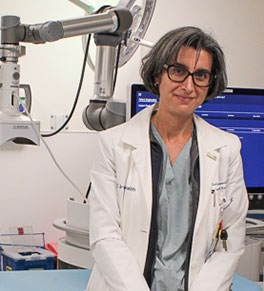
First-in-human study attacks pancreatic cancer with laser light
The groundbreaking UCI Health clinical trial offers a novel approach to treating inoperable tumors.
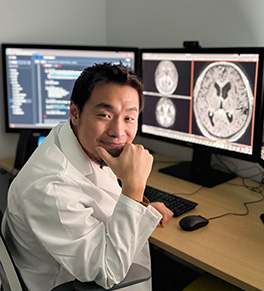
Tapping AI to boost cancer detection and treatment
'Get your mammogram,' urges breast cancer survivor
Annual screenings can detect breast cancer early, when it is most treatable, says UCI Health breast cancer survivor Barbara Cortez.