




Cooking for colon health
Lifestyle is linked to about 70% of colorectal cancer cases. Making healthy food choices is one of the biggest steps you can take to keep your gut microbiome in top shape and reduce your cancer risk.
Important lifestyle changes to help prevent colon and rectal cancer include:
- Eating more fiber: Aim for 25 to 30 grams per day. Fiber supports a healthy gut and helps remove potentially harmful compounds.
- Building a plant-forward plate: Two-thirds of your plate should be from plants, which can include nuts, seeds, soybeans, colorful vegetables, herbs and salsa.
- Choosing lean proteins: Avoid processed meats, such as bacon, sausage and deli meats. Limit red meat to 300-500 grams a week.
- Hydration and healthy fats: Drink at least 64 ounces (eight cups) of water daily to help the fiber do its job in the gut. Adding seeds and nuts to your diet increases healthy fats.
- Being physically active. Aim for 30–60 minutes of moderate-to-vigorous activity every day.
Katie Rankell, a registered dietitian and program director of the UCI Health Weight Management Program, also tells patients to avoid ultra-processed foods, such as sugary cereals and soft drinks, fast food and packaged snacks. “These foods are made mostly from artificial sweeteners, emulsifiers, thickeners or flavorings and are not the nutritious whole foods our bodies crave for energy and wellness.”
This month, Jessica VanRoo, executive chef of the Susan Samueli Integrative Health Institute, part of UCI Health, sets the table with two colorful and aromatic dishes to boost colorectal health.
Rainbow carrots with harissa, herb drizzle and pistachios
 This vibrant combination of rainbow carrots, herbs, spices and healthy fats supports digestive health and overall wellness.
Carrots are rich in fiber and antioxidants that help protect cells from oxidative stress and support immune function. Cooking them with extra-virgin olive oil enhances the absorption of fat-soluble nutrients called carotenoids. Rainbow carrots contain three — beta-carotene (orange), lycopene (red) and lutein (yellow)! They calm the gut by reducing inflammation, strengthening the intestinal barrier and balancing gut microbiota by increasing beneficial bacteria (like lachnospiraceae) and decreasing harmful ones.
Spices such as cumin, coriander, turmeric and smoked paprika not only add flavor, they also supply a layer of polyphenols and bioactive compounds that may further reduce inflammation and support digestion. Turmeric, in particular, contains curcumin, which has been widely studied for its antioxidant and anti-inflammatory properties.
Jump to recipe
Fresh herbs and a nutty topping further enhance the dish’s nutritional value. Parsley, mint and garlic provide vitamins, plant antioxidants and compounds thought to support immune health and gut function. Lemon juice contributes vitamin C, which helps protect cells and supports collagen production, while capers add small amounts of antioxidants such as quercetin.
The finishing touches of roasted pistachios and sesame seeds are excellent for gut health, acting as natural prebiotics that boost fiber intake, support beneficial gut bacteria and reduce inflammation. Pistachios, specifically, increase good gut bacteria like bifidobacteria and lactobacilli, while sesame seeds provide magnesium to aid digestion and relax intestinal muscles.
“Together, these ingredients create a nutrient-dense dish rich in fiber, phytonutrients and beneficial fats that can be part of a balanced diet that supports your digestive system,” says Rankell.
Black bean and sweet potato enchiladas with pumpkin seed sauce
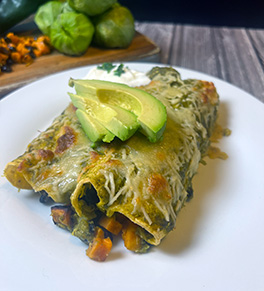
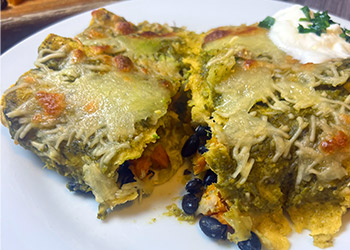 This healthier version of a classic Mexican dish is both colorful and chock-full of ingredients that contribute to colon health.
Black beans are rich in plant-based protein and fiber, which helps keep you full longer, supports digestive health and regulates blood sugar levels. They also provide important minerals like iron, magnesium and potassium that support muscle function.
Sweet potatoes add complex carbohydrates for steady energy and are especially high in beta-carotene, which the body converts into vitamin A to support immune function, skin health and good vision. Their fiber content also contributes to gut health and balanced cholesterol levels.
Jump to recipe
The tomatillo-based enchilada sauce gives another boost to this gut-friendly recipe. Their high fiber content feeds beneficial gut bacteria and promotes regular bowel movements. They also are rich in antioxidants, especially vitamin C, which can help reduce inflammation in the gut. Their mild acidity also can stimulate the production of digestive enzymes.
Jalapeños and poblano peppers contain capsaicin, which may have a mild anti-inflammatory effect in the gut and also promote the production of digestive enzymes. Capsaicin has been shown to potentially boost the growth of beneficial gut bacteria while inhibiting harmful pathogens to help balance the microbiome.
Pumpkin seeds add another layer of powerful gut support with their combination of soluble and insoluble fiber. Soluble fiber feeds beneficial gut bacteria while insoluble fiber adds bulk to stool, aiding in smoother elimination. Pumpkin seeds also are a strong source of zinc, which helps maintain and support healing of the gut lining.
“Enchiladas are always a family favorite and this version nourishes from the inside out, laying the groundwork for a healthy microbiome and optimized gut function,” says Rankell.